

Build Stronger Oracle NetSuite Billing Controls
How Oracle NetSuite Billing Moves Forward
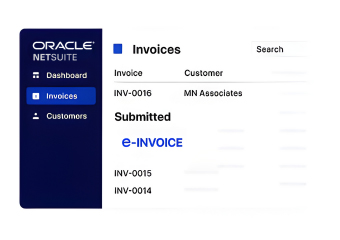
- Customer Profiles Establish: Customer information identifies parties associated with billing transactions.
- Transaction Records Enter: Relevant sales activity begins configured invoice processing.
- Subsidiaries Provide Context: Entity references distinguish applicable financial activity.
- Tax Information Contributes: Applicable tax data supports document preparation.
- Billing Terms Explain: Commercial conditions add useful transaction context.
- Ledger Activity Connects: Accounting references link documents with financial records.
What Changes Around Oracle NetSuite
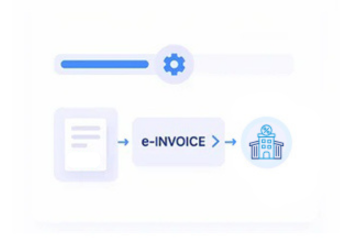
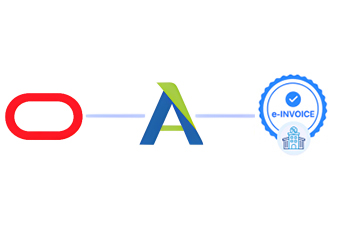
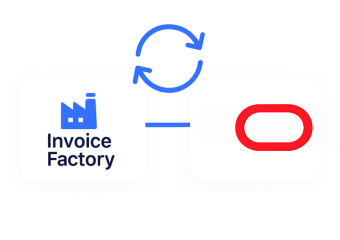
Advintek adds structured Portugal AT processing around NetSuite billing activity while allowing the cloud ERP to continue managing established financial operations.
- Extends existing NetSuite billing processes
- Organizes applicable AT information
- Connects invoices with ERP records
- Supports Portugal document processing
Why Oracle NetSuite Data Strengthens Billing
- Customer Record Continuity: NetSuite customer information provides a consistent reference for identifying parties across billing transactions and associated documentation.
- Transaction-Level Context: Sales and billing records help explain the commercial activity represented by individual invoice documents.
- Entity-Level Separation: Subsidiary structures provide useful context when financial activity is managed across multiple organizations.
- Tax Information Availability: Applicable tax details provide supporting information during configured invoice preparation and document processing.
- Commercial Condition Visibility: Billing terms help finance teams understand the transaction conditions associated with customer invoices.
- Accounting Relationship Tracking: Ledger activity connects invoice documentation with related financial records for review and reconciliation.
Oracle NetSuite Finance Building Blocks
Customer Account Management
NetSuite customer records organize party information used across billing, sales activity, and financial administration.
Subsidiary Financial Management
NetSuite subsidiary structures help organize financial activity across different entities and organizational operations.
Cloud Accounting Infrastructure
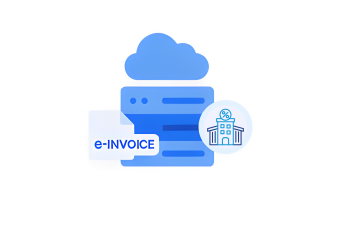
NetSuite provides a connected financial environment for managing accounting information, transactions, and business reporting.
How Oracle NetSuite Supports AT Documents
NetSuite remains responsible for core financial information, while Advintek organizes applicable records for Portugal-focused invoice document processing.
- Uses existing NetSuite records
- Preserves financial context
- Structures invoice documentation
- Organizes completed AT records
For Portugal Invoice Processing
Advintek organizes applicable NetSuite information for structured Portugal AT documentation.
Support clearer invoice administration across connected finance operations.
Ready e-Invoice System
Frequently Asked Questions NetSuite E-Invoicing Portugal
1. How does Oracle NetSuite support Portugal invoice processing?
NetSuite can provide customer, transaction, subsidiary, tax, billing, and accounting information for a configured Portugal invoice workflow. Advintek can organize applicable information for structured AT document processing while NetSuite continues managing core financial transactions, customer activity, accounting records, and organizational structures within the cloud ERP.
2. Why are NetSuite subsidiary records important for invoices?
Subsidiary information provides organizational context for financial transactions within NetSuite. Where included in the configured workflow, applicable subsidiary references can accompany invoice information, helping distinguish activity between entities while Advintek organizes relevant records for Portugal-focused AT document processing and associated invoice documentation.
3. Can NetSuite customer records remain connected to invoices?
Yes, where supported by the configured integration. Applicable customer information can accompany invoice records, helping preserve the relationship between the billed party and the underlying NetSuite transaction. Advintek can organize this information within the Portugal workflow while maintaining relevant customer and invoice references.
4. What role does NetSuite accounting data play?
NetSuite accounting information can provide supporting context around invoice transactions. Where included in the configured workflow, ledger and posting references can remain associated with processed documentation, helping finance teams review invoices alongside related financial activity and maintain clearer connections during reconciliation and internal financial review.
5. Does Advintek replace NetSuite's financial management functions?
No. Advintek operates as a connected AT processing layer around applicable NetSuite information rather than replacing its financial management capabilities. NetSuite can continue handling accounting, customer activity, sales transactions, subsidiaries, and reporting while Advintek organizes relevant information for configured Portugal invoice documentation workflows.