

Compliance That Fits E-Freight ERP Users
How eFreight ERP Records Enter Portugal Invoice Processing
- Freight Orders Establish Billing: Relevant eFreight ERP order information enters configured Portugal invoice workflows with complete commercial transaction details.
- Consignment Records Identify Shipments: Applicable shipment information accompanies corresponding AT invoice documentation with relevant delivery details.
- Transport Services Describe Charges: Relevant service information supports invoice lines with applicable freight and transportation details.
- Shipment Status Adds Context: Applicable milestone information provides additional operational context during configured invoice processing.
- Customer Records Identify Parties: Relevant customer information remains associated with corresponding invoice documentation throughout processing.
- Charge Records Complete Transactions: Applicable freight charges contribute to structured invoice preparation, validation, and review.
How Advintek Supports eFreight ERP Invoicing
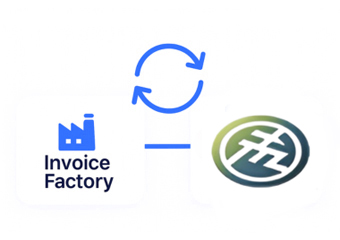
Advintek provides a Portugal-focused processing layer around eFreight ERP, organizing logistics, customer, shipment, and charge information into structured AT invoice workflows.
- Extends eFreight invoice processing
- Structures Portugal AT information
- Connects freight records with invoices
- Supports configured AT workflows
Why Freight Data Matters During Invoice Preparation
- Order Billing Traceability: Freight order information connects invoices with originating logistics activity for clearer billing context.
- Consignment Shipment Visibility: Shipment and consignment details preserve operational context alongside corresponding invoice records.
- Transport Service Clarity: Transport service information explains freight activity represented by individual invoice lines and charges.
- Shipment Status Context: Milestone information helps teams understand operational status associated with billed freight movements.
- Customer Party Identification: Relevant customer records maintain correct commercial-party information across connected logistics documentation.
- Freight Charge Accuracy: Freight charge information supports review of applicable rates, services, and invoice amounts.
Everything You Need for Portugal E-Invoicing in One Place
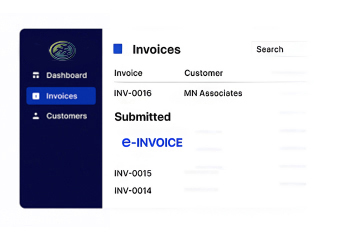
Real-Time Validation Feedback
Relevant eFreight ERP order information can provide the commercial foundation for applicable Portugal invoice preparation.
Centralized Freight Dashboard
Applicable consignment information can connect invoice documentation with the associated freight movement.
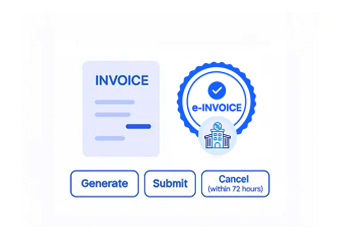
Continuous Compliance Support
Relevant transport service information can clarify the logistics activity represented within invoice records.
How eFreight ERP Supports AT Processing
Advintek connects freight orders, consignments, transport services, shipment information, customer records, and charge details with Portugal-focused invoice processing.
- Connect freight orders directly with invoices
- Preserve complete consignment information
- Associate relevant transport service details
- Maintain accurate freight charge references
Connect Your Operations With AT Documentation
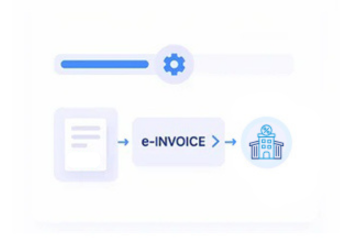
Advintek organizes applicable freight information for structured Portugal invoice workflows.
Support AT document preparation around established logistics operations.
Ready e-Invoice System
Frequently Asked Questions E-Freight ERP E-Invoicing Portugal
1. Can eFreight ERP connect with Portugal e-invoicing workflows?
Yes. Relevant eFreight ERP freight, customer, shipment, service, and charge information can support a configured Portugal e-invoicing workflow. Advintek organizes applicable logistics data for structured AT invoice processing while businesses continue using eFreight ERP to manage their established freight and transportation operations.
2. Which eFreight ERP records can support Portugal invoice preparation?
Depending on the configured integration, freight orders, consignments, transport services, shipment information, customer records, and charge details can provide source information. Advintek processes applicable eFreight ERP records within the Portugal workflow while maintaining useful relationships between logistics activity and resulting AT invoice documentation.
3. Can eFreight ERP shipment information remain connected with invoices?
Where supported by the configured integration, applicable shipment and consignment references can remain associated with invoice records. This helps logistics and finance teams connect AT documentation with the underlying freight movement, providing useful operational context when reviewing invoices generated from eFreight ERP transactions.
4. How does eFreight ERP customer data support invoice processing?
Relevant eFreight ERP customer information can accompany invoice records where supported by the configured workflow. Maintaining customer details helps preserve commercial-party identification and provides useful context when AT documents are reviewed against freight transactions and billing activity managed through the connected eFreight ERP environment.
5. Can freight charges from eFreight ERP be used for invoices?
Where included within the configured integration, applicable freight charge information can contribute to invoice preparation. Relevant service, rate, and transaction details can provide useful billing context, helping teams understand the amounts represented in AT documents while maintaining connections with originating eFreight ERP logistics records.